The Fear of the Lord


The Fear of the Lord

Why fear?

In my reading this past month, I have been drawn to scripture that speaks to the “fear of the Lord”.  Because of the uncanny way it has repeatedly appeared in my daily devotions, I felt compelled to dedicate more time to study this phrase and share my insights with you.

“The fear of the LORD is the beginning of knowledge.”

In Proverbs 1:7a, the writer conveys the belief that the beginning of knowledge, begins with fearing the Lord.  Knowledge, in this context, refers to wisdom.  The person who begins with the fear of God is contrasted with the fool who “despises wisdom and instruction.”

The fear of the Lord is a common expression found in both the Psalms and Proverbs.  Fear, in this context, is interpreted to mean respect and reverence.  No single English word conveys every aspect of the word “fear” in this phrase. The meaning includes worshipful submission, reverential awe, and obedient respect to the covenant-keeping God of Israel.  It has even been defined as “hyper-respect” based on a realization of how awesome God is and how insignificant we are in comparison.

The complexity of fear

Fear is a complex quality, creating a myriad of emotions and feelings based on terrors, both real and imagined.  However, when used in a religious sense, especially with regard to God, it becomes even more intriguing.  Fear of God is a concept which describes both awe and reverence of the Lord.  It results in both obedience to His commandments and rejection of those things which compete for His affection. 

In the Old Testament, fear of God follows the introduction of sin in the Garden of Eden.  Before the fall, Adam and Eve had enjoyed a close and loving relationship with their Creator.  After their gross disobedience, the pair fled from God’s call, nervously explaining, “I heard you in the garden and I was afraid because I was naked” (Gen. 3:10).

They now feared God because of their new awareness of their vulnerability.  Sin made them fearful because of the perceived power of another to harm them, in this case, Creator God.   Do we flee from the voice of the Lord when He calls to us?

Fear of God:  Old Testament

Fear of God in the Old Testament is also linked to the covenant promises.  Protection and loving kindness were exchanged for obedience and loyalty to God.

From the Patriarchs to the great Kings of Israel, special worship and respect was given to the Lord.  This was based not only on His actual awesome presence (Ps. 33:8) but also on the perceived consequences for failure to acquiesce to His laws (Exod. 14:31).

Jacob expressed this reverence by referring to God as the “Fear of Isaac”.  Jacob’s reference suggested that his father was the embodiment of fear (Gen. 31:42).   To fear God meant to reject every competing deity and to serve Him only (Deut. 6:13).  Do we fear the Lord simply to receive His favor or to avoid sin’s consequences?

Fear of God:  New Testament

With the arrival of Jesus came new revelation as to who God the Father was and the unlimited depth of His love.  God’s love was demonstrated by the atoning work of Jesus and freely given to “whosoever would call on the name of the LORD” (Rom. 10:13).

Reverence and awe to the Lord was now to be motivated by love versus fear of reprisal (1 John 4:18).  To fear God meant to live a disciplined and holy life.   Fear, in this case, is expressed in acknowledgment of God’s power and authority in the believer’s life.

In addition, fear of God is expressed by walking in all His ways (2 Cor. 7:1), by loving Him (John 14:15), and by serving Him with all our heart and soul (Luke 10:27).   What is the basis for our fear of God—love or dread?

21st Century view of fear of God

As I survey the world we live in, I ask myself, do we as a nation or even as the universal Church “fear the Lord”?  The greater question is, as individual believers, do we “fear the Lord?”

While fear of God is closely related to morality and obedience to God’s commands, it is also very freeing.  Our awareness of God’s power and of His love releases us from other’s opinions, the world’s influence, and fear of rejection.  These move us to compromise or to disobey the Lord.

Our fear of God is redefined when motivated by love (1 John 4:7-21).  We are then released to live out of the purpose He has ordained for us who love Him (Ep. 2:10).  “His mercy is on those who fear Him From generation to generation.” (Luke 1:50)

I close with these words from Thomas Watson, a Puritan preacher and author.  Though originating in the 17th century, its message still is true.  Why?  Because it speaks truth of the nature and heart of God, which never changes (Mal. 3:6).

The fear of God promotes spiritual joy; it is the morning star which ushers in the sunlight of comfort.  Walking in the fear of the Lord and in the comfort of the Holy Spirit, God mingles joy with fear, that fear may not be slavish.


Where do you get your information?

Where do you get your information

What’s up?

Well it’s October.  The fall is my favorite season.  Good-bye bugs and bites!  No more 95% humidity and sneezy nose.  Bye-bye day light savings time!  Better than it being fall, it’s Throwback Wednesday. For those of you who may be new to WordBytes, on Throwback Wednesday, we look at what’s trending in the news or what the hot topic of the week is.

Well if you slept through yesterday, you failed to experience the crash of Facebook and its social media sisters, Instagram, and WhatsApp.   Facebook-owned services, WhatsApp and Instagram went down on Monday, for the second time in 2021.  This failure left some three billion online users frustrated and unable to connect all over the world.  It is reported that Zuckerberg lost nearly $7B alone on the Facebook outage.  The outage shut out 2.9 billion Facebook subscribers.

So what did we do when Facebook and her affiliate platforms went down?  There are about 3.78 billion social media users worldwide.   Social media has become the life blood for us living in the 21st century.  It has become not only a source of information, but also our primary connection with others.  This sometimes fosters a false sense of belonging and fellowship. Now really, who has over 20,000 friends? Have you ever asked them for a loan?

Where did you get that from?

That’s the question I usually ask people when they share information that I question.  Surprisingly, we look to social media to inform our decision making.  “If it’s on the internet, it must be true”.  Really?

So where do we, who rely on social media platforms, go to get our information. Is social media the “best” source of truth (that is if you’re looking for truth)?  Does it help us “respond” wisely or simply “react”?

According to the Pew Research Center, about a quarter of U.S. adults get most of their news through social media.   They recently shared information on “Americans Who Mainly Get Their News on Social Media.”  Here are some of their key findings.

    1. U.S. adults who mostly get news through social media lag behind others in attention to election and pandemic news.
    1. U.S. adults who mostly rely on social media for political news are often less knowledgeable about current events.
    1. In addition to lower awareness of current events, social media news users hear more about some unproven claims.

Where do you get your information?

When I opened my email today, I received two invitations to help “inform” me.  One was 10 Things You Need to Know Today.  They highlight key news stories nationally and internationally.  They know where I should focus my attention, right?  The “1 Thing I Need to Know Today” is that in Christ Jesus, I live, and move, and have my meaning (Acts 17:28).   This one thing guides my actions and thoughts for the day.

The other is The Week.  Their subject line states, “Read what the world’s thinking”.  I asked myself; “do I really care what the world is thinking?”  The only Person’s thinking I’m concerned with is God.  So I pray that I have the mind of Christ and joyfully obey His will (Phil. 2:5).

Our continual reliance on social media and the Internet makes it necessary to carefully examine the sources of our information.  Believers must especially be intentional in practicing spiritual discernment.  Truth and life come from God through Jesus Christ (John 14:6).

We must not only seek truth in all we do, but we must also boldly denounce lies that keep others in darkness (Eph. 5:11).  A lie by any other name—alternate view, misstatement, or an error in communication, is still a lie.  Its intent is to deceive, mislead, and misrepresent.

So for this month’s Throwback Wednesday, we offer for your reading, Discernment:  Light for Darkened Eyes.”   MAY THE TRUTH BE WITH YOU!

Assurance for Difficult Days

Assurance for Difficult Days Good Life = Good Circumstances?

In his book, The Secret Things of God, Dr. Henry Cloud shares this thought on happiness: “A good life doesn’t depend on good circumstances.”

Dr. Cloud’s statement finds agreement with the Apostle Paul who wrote to the church at Philippi, “I have learned to be satisfied regardless of my circumstances” (Phil. 4:11-13).

Paul’s contentment was based on his knowledge and relationship with The Source of all circumstances. Those times when circumstances are “not good”, we have an opportunity to hold firm to assurance in God.

A Psalmist’s View

The Psalmist captured this reality in the 16th Psalm as he writes of the faithfulness and assurance that can only be found in God.  He writes in verse 8:

I have set the LORD always before me; Because He is at my right hand I shall not be moved.

I have set the LORD always before me…

The focus of the Psalmist is Jehovah God, the Existing One, who is the source of his confidence. Jehovah has always been and will always be. As Alpha and Omega, God operates as Divine Integrity—true and faithful.

“To set” means “to put”. Oh that we would only stop in the midst of our challenges and put our focus on God. We need not fear the paths that are set before us. That’s because those paths or experiences have been sovereignly “allowed” in our lives.  Success or sickness, excess or lack, solitude or inclusion—they all flow from God’s hand of grace.

Because He (God) is at my right hand…

The Psalmist expresses His special relationship with Jehovah as he describes God positioned at his “right hand”. The “right hand” is the preferred one in patriarchal blessings (Gen. 48:17-20). Solemn oaths are made via the uplifted right hand (Is. 62:8).

The right hand is also used figuratively to emphasize God’s person and actions. God’s right hand is said to be filled with righteousness (Ps. 48:10) and might (Ps. 80:15-16). Like the Psalmist, we can find God positioned “at their right hand”, ready to provide help, strength, and security.

I shall not be moved

To be “moved” in this text means to totter or shake. It is typically used of the foundations of the earth (Ps. 82:5) and almost always negatively. However, “I shall not totter”, in contrast, is used of an intrepid unwavering person (Ps. 10:6).

In review the current events in our world, it is easy “to totter”.  The progression of the pandemic variances, economic uncertainties, and growing division in our nation, “shake us”.  And rightly so.  In our attempts to manage our family needs and crisis, we are continually “moved”.

In spite of the challenges, we can become “non-totters” by placing our assurance in God.  That’s because we serve a God Who “neither slumbers nor sleeps” (Ps. 121:4).   Let us, also remember His love for us as evidenced by His protection and provision (Ps. 16:5-6).

A response of assurance

Where are we placing our faith and trust in?  The challenges we face provide an excellent opportunity to evaluate our spiritual endurance and maturity.  Our response to these difficult times can provide a strong witness to those in need of God’s salvation and God’s hope (Rom. 15:13).

Our Eternal God is greater than any circumstance we may face. He is the Creator and Sustainer of our life, ever present, and always acting on our behalf.  Let us continually set God before us knowing that in His presence, we can live confidently and with joy (Ps. 16:11).

Reclaiming Our Life through God’s Presence

Reclaiming Our Lives thru God's Presence

Who’s in control?

On a scale of one to five, how do you feel?  With one, being “totally overwhelmed” and five, being “confidently optimistic”?  Do you feel like your life is slowly slipping away?

Well join the club!  Many of us feel that the life we had planned is being delayed or demolished as a result of the pandemic, the economy, and the social/political gridlock we find ourselves in.  Disruptions, interruptions, and conflicts seem to be intensifying rather than diminishing.

The Mental Health Association researched the impact of living in our “new normal”.  Here is a brief sampling of some of their findings:

    • The number of people looking for help with anxiety and depression has skyrocketed. From January to September 2020, 315,220 people took the anxiety screen, a 93 percent increase over the 2019 total number of anxiety screens. 534,784 people took the depression screen, a 62 percent increase over the 2019 total number of depression screens. 
    • Young people are struggling most with their mental health. The proportion of youth ages 11-17 who accessed screening was 9 percent higher than the average in 2019. Not only are the number of youth searching for help with their mental health increasing, but throughout the COVID-19 pandemic youth ages 11-17 have been more likely than any other age group to score for moderate to severe symptoms of anxiety and depression.

These statistics are alarming to say the least.  However, they help us quantify the emotional toll and brokenness our nation must now address.

Striving to Cope

While we are striving to cope with what’s happening around us physically, we must recognize the impact to our mental health and well-being.  As our world shifts, there is a way to not only cope and survive but also reclaim our life (Joel 2:25).   We can begin to combat the mental trauma and stress we face by strengthening our spiritual resiliency.

Resiliency is the ability of an object to “rebound or spring back” to its original shape after being stretched or compressed.  Spiritual resiliency, however, is more.  It is about not only bouncing back but also gaining greater strength and capacity than originally possessed.

As believers, we understand that it is God in us (1 John 4:4) that provides us the ability to not only bounce back, but to come back even stronger than before (2 Cor. 4:16-18).  God is greater than anything we may face today or tomorrow.

Life lived in God’s Presence

To build spiritual resiliency, we must put ourselves in the presence of God.  The psalmist understood this when he confidently penned Psalm 139:7-10 (NLT).

I can never escape from your spirit! I can never get away from your presence!  If I go up to heaven, you are there; if I go down to the place of the dead, you are there.  If I ride the wings of the morning, if I dwell by the farthest oceans, even there your hand will guide me, and your strength will support me.

God’s presence offers extraordinary benefit and impact for believers for today and beyond.

First, knowing God is everywhere offers us great comfort.  If we have learned one thing from this pandemic it is that we must watch for potential risks and dangers that may threaten us physically, financially, and socially.  To know that we are never out of the presence of God should settle the faint-hearted.  “God is our refuge and strength, a very present help in trouble. Therefore we will not fear.” (Ps. 46:1-2).

Secondarily, believers living in the presence of God possess great confidence knowing that He is ever-present. In these critical times, recognizing that the “only wise God” (Rom. 16:27) is there to guide and direct our steps, comforts our hearts, and eases our stress (Phil. 4:6-7).  Our faith is strengthened because of who God is.  In, out, or through the storm, we know we are not alone.

Finally, living in God’s presence provides us great clarity as to how we are to live during these tumultuous times (Titus 2:11-13).  This acknowledgment requires that we live obediently according to His Word and under the direction of the Holy Spirit. Yes, even amid this pandemic! (Rom. 12:2; 1 Pet. 1:13-16; 1 John 2:16-17)

The Believer’s reality

Our worldview is based on the reality that we live in the presence of, under the authority of, and to the honor and glory of God.  We know that God is the Creator and Sustainer of life.  He has kept us in the past, is keeping us now, and will keep us in the future.  (Ps. 3:5; Heb. 1:3)

In the presence of God we will find not only what we need to survive today but also prepare us for tomorrow.  By acknowledging the presence of God, we can regain our life.  We can move through the challenges we face mentally resilient, emotionally strong, and spiritually fit.

Will our lives ever be the same?  Probably not.  But our lives can be lived confidently and with hope (Ps. 42:5) because we know we are continually in God’s presence.  Wherever we are, God is there with us.   Therefore, we can move forward and begin to reclaim our lives.  (Jer. 29:11)

Time for a Reset

Time to Reset

Reboot, restart, reset

When our computer refuses to follow the manual commands we’re inputting, what is the first thing the Geeks tell us to do? Reboot the system!  After ten unsuccessful attempts to change screens on our phone, in frustration, we shut it down and restart it.  Our new high-definition entertainment center sends us confusing error messages.  Our online trouble-shooter tells us to reset our television by accessing the system menu.

Reboot, restart, reset.  They all have the same meaning and intent.  By returning to the beginning, we will be able to continue with our desired outcome:  finish a project, make a phone call, or watch the Kansas City Chiefs.

This can also be true with our lives. When things go “haywire”, do we do something different?  When what we’ve done in the past, no longer works, do we continue banging our heads against the same wall and complain of the pain?  What are our options?  Do we reset?

A national reset

As a nation, we are entering new territory as we learn to live and lead amid pandemics and their variants.  Difficult issues that existed pre-COVID, are demanding our immediate attention.  These include homelessness, mental health, and social inequities, just to name a few.  Natural disasters highlight the reality of global warming.

Our nation’s economic, political, and social beliefs have us alienated from each other.  Families and friends are divided over what should unite us—the safety of our nation and love for our families.  Unfortunately, we are leaving a legacy of anger, polarization, and division for future generations.

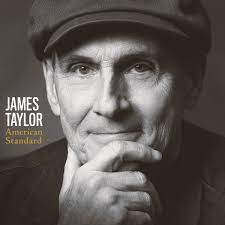
Musical icon, James Taylor, shares the danger of this national trend through his recording of a song from the 1949 musical, South Pacific.  It is entitled, “You’ve Got to Be Carefully Taught”.

You’ve got to be taught.

To hate and fear,

You’ve got to be taught.

From year to year,

It’s got to be drummed.

In your dear little ear.

You’ve got to be carefully taught.

What can we do to impact these forces we now face in our life as a nation?  We need to reset!

Our faith reset

Whatever impacts our nation, impacts us personally.  That is why our faith is so critical during this time in our history.

I truly believe that we, as believers, were created for “such a time” as we are experiencing (Esther 4:14).  God created us from the foundations of the world to represent Him during these challenging times (2 Tim. 1:9).

It’s often been said that “we are not saved to sit but to serve.”  I’d like to add to that saying that we are also “saved to battle” for the Kingdom of God and the souls of men (2 Cor. 10:3-5: Ep. 6:10-12).  Our weaponry includes God’s Word and prayer (Ep. 6:17-18).

As believers, I also contend, that we have everything we need to “live victoriously”.  At In the Word Ministries we define victorious living as emotional confidence and spiritual contentment found in living in the reality and purpose of God.    Our confidence is built on the nature of God (who He is); our contentment is “fruit” from the indwelling of His Holy Spirit (Gal. 5: 22-23).

Most importantly, it is key that we remember who we are in Christ and that we are God’s children.  (Rom. 8:16)

Faith RESET Instructions

If you’re receiving “error messages” through feelings of despair, dissatisfaction, and hopelessness, it’s time to reset.    I offer the following faith RESET instructions for your immediate use.  Feel free to add your own scriptures and share them with us.  I placed it in an acrostic so that you can remember it with a special scripture to fortify your position 😉

Remember God’s “past” faithfulness to you.

This I recall to my mind, Therefore I have hope.  Through the LORD’s mercies we are not consumed, Because His compassions fail not.  They are new every morning; Great is Your faithfulness.  (Lamentations 3:21-23) 

Engage by using your spiritual gifts.

As each one has received a gift, minister it to one another, as good stewards of the manifold grace of God.  (1 Peter 4:10) 

Spend “intentional” time in reading God’s Word and in “purposeful” prayer.

I am the vine, you are the branches. He who abides in Me, and I in him, bears much fruit; for without Me you can do nothing. (John 15:5)

Expect God to act.

The LORD says, “I will rescue those who love me. I will protect those who trust in my name.”     (Psalm 91:14, NLT) 

Trust in the Lord.

Trust in the LORD with all your heart, And lean not on your own understanding; In all your ways acknowledge Him, And He shall direct your paths. (Proverbs 3:5-6)

Please share these RESET instructions with friends and family, especially when they feel “some kinda of way.”

Praying with Purpose: Intercessory Prayer

Intercessory Prayer

What’s the work?

To close this series on prayer seems incomplete because the topic of prayer is so wide and diverse.  Out of curiosity, I placed the word “prayer” in my browser to see what would pop up.

The first thing my search engine offered was “prayer for healing”.  It’s not surprising this would be the first response.  There are so many people sick both mentally and physically.  Regardless of social standing or political position, sickness places us all on the same level.

“Prayers for strength in difficult times” was third on my list (after “prayer”).  There’s so much happening in our world.  We’re concerned with wars, terrorism (foreign and domestic), and global warming.  We continue to struggle with the COVID pandemic with all its “side effects”—uncertainty, volatility, and insecurity.

The work at hand

At this juncture in both our personal life and in our nation’s history, prayer is critical.  What is needed is prayer that is focused on others.  More importantly, this type of prayer, intercessory prayer, is centered on God’s will (Matt. 6:10).  The result is prayer that is intentional, strategic, and purposeful.

Intercessory prayer begins with our understanding God’s will.  God’s will can only be understood through developing a personal relationship with Him.

The man who would know God must give time to Him. He must count no time wasted which is spent in the cultivation of His acquaintance. He must give himself to meditation and prayer hours on end. So did the saints of old, the glorious company of the apostles, the goodly fellowship of the prophets and the believing members of the holy church in all generations. And so must we if we would follow in their train.[1]

The Model Intercessory Prayer

In reviewing prayers of the Bible, the one I like the most is John 17.  To me, this is the model for intercessory prayer.  We recommend you add it to your future study list.

This prayer comes at the conclusion to the Upper Room discourse of chapters 14-16. It is the closing verse (John 16:33) that introduces this extraordinary prayer: “I have said this to you, so that in me you may have peace. In the world you face persecution. But take courage; I have conquered the world!”

Jesus Prays

First, Jesus prayed for Himself (John 17: 1-5).  This however was not a prayer for self but the request that God would be glorified.  God is glorified when His name is honored, and praise is given to Him for His works and His ways.  Jesus’ work of salvation and glorious resurrection would “finish the work which God had given Jesus to do” (v.4).

Next, Jesus prayed for His Disciples (John 17:6-19).  This is called the High Priestly Prayer These petitions were for the Disciple’s empowerment.  Through His parables and teachings Jesus had shared who God was (v. 6, Your name).  As they went into a hostile world, Jesus prayed that God would “keep” (guard) them and “sanctified” them (set apart) by God’s truth.  Believers today are kept by the same power of God through our faith regardless of the trials we may face (1 Pet. 1:5-7).

Lastly, Jesus prayed for future believers who come to faith through hearing the gospel (John 17:20-26).  This petition was for love and unity among Christ’s Church.   Christ prayed that believers would experience the same unity He knew with God the Father.  This unity would be reflected in the love believers showed to God and to each other.

The Work of Prayer

Jesus’ prayer presents us with an opportunity to “pray outside the box”.  Let our prayers focus not only on our needs but the needs of the world around us.  We need more prayers for healing (physical, spiritual, emotional, and relational).  Every prayer counts as we deal with these difficult times.

Let us expand our prayers beyond the lust of the flesh, eyes, and pride of life (1 John 2:16-17).  As we grow in our knowledge of God, may our prayers become more intentional, strategic, and purposeful.  As we pray, may God’s will be done, and His name be glorified forever.

[1]  A.W. Tozer, God’s Pursuit of Man: Tozer’s Profound Prequel to The Pursuit of God

Praying with Purpose: Praying with Confidence

Praying with Confidence Our Prayers

As we stated earlier, prayer is the connector that releases God’s grace, promises, and power into the physical world.  As Oswald Chambers declared prayer is the “greater work” God has given us to do.

Regardless of the type of prayer we engage in—supplication, intercession, or deliverance—we understand the source of our prayers’ power.  The power does not come from us but from God.  Therefore we can have confidence when we pray.

Confidence builders

Our confidence in God dictates our response to the circumstances in the world and in our lives.  More importantly, it shapes our prayers to the Father.   We pray with confidence because we…

    • Acknowledge our REALITY. Our view of life looks different than the rest of the world.  It is based on the fact that God is sovereign and all-powerful (Ps. 97:1-6).

As citizens of God’s kingdom, we live in the presence of, under the authority of, and to the honor and glory of God.  Therefore, we operate according to His Word and under the direction of the Holy Spirit.

Our reality generates prayers of trust and hope as we face the uncertainties and pressures of 21st century living.

    • Walk in our IDENTITY. Our identity is based on who we are “in Christ”.

In Christ we have been adopted as children of God and have access to spiritual blessings (Eph. 1:3) and exceeding great and precious promises that by these we might be partakers of God’s divine nature (2 Pet. 1:4).  This includes God’s power within us through the presence of the Holy Spirit.

Our identity gives us continuous access to the throne of grace.  Therefore, our prayers have priority.  We are invited to come boldly to God for whatever we need (Heb. 4:16).

    • Honor God’s PURPOSE. Jesus often reminded others that He came to fulfill the purpose of His heavenly Father (John 4:34; 5:30; 6:38). God’s purpose for our lives has been identified from the foundations of the world (2 Tim. 1:9).

It is the believer’s great honor to live out that purpose in both our life and through the circumstances God has placed before us.  All things are for God’s glory and our good.

Praying with confidence

As we strive to expand our prayer capacity, it is important that we pray with confidence.  This confidence will lead us to greater faith and belief.  The result will be more of God’s will realized in our lives and in the world.

We close with the Apostle John’s final words to believers concerned with the challenges to their faith and belief in Jesus Christ.  It deals specifically with the certainties of our faith.  Whether certainties or confidence, the result is the same–belief that God sees us, hears our cries, and will be with us.

Now this is the confidence that we have in Him, that if we ask anything according to His will, He hears us.  And if we know that He hears us, whatever we ask, we know that we have the petitions that we have asked of Him.      1 John 5:14-15

Meditate on these verses and listen as God speaks to your heart.  Then pray the verses replacing the nouns with your name.  Let God’s Word speak “confidence” into your spirit.

Praying with Purpose: Am I ready for purposeful prayer?

Am I ready for purposefeul prayer?

What we know now

We began this series with the challenge to become more intentional and strategic in our prayers.  We do this by praying According to God’s will (1 John 5:14-15), Believing in God’s ability (Matt. 21:21-22), and being Committed to God’s outcome (Hab. 3:17-19).  When we pray in this manner, we place our trust in God’s love, His faithfulness, and His sovereignty.  Then our prayers become more purposeful.

To pray more purposefully will also require a new attitude.  This attitude is based on the recognition that prayer’s power is underwritten by God.  It is the connector that releases God’s grace, promises, and power from the spiritual realm into our physical world.

Armed with this knowledge, we can begin to pray knowing that our prayers have the potential to affect change not only in our individual lives but also to change circumstances in the world.  This includes the growing uncertainties of 21st century living.

Purposeful prayer 101

My prayer life, like many others, began one-sided:  asking, seeking, and knocking (Matt. 7:7).  I invested my time in learning what I thought was the “right way” to pray.  I followed the PAPA prayer formula.  I prayed the Scriptures.  I employed the ACTS model (adoration-confession-thanksgiving-supplications).  I wanted to better communicate with God, but I failed to realize what God really wanted.  He wanted me to listen.

With all these methods, the common thread is that they lead to a relationship with God.  When we’re in relationship with a person, we listen to them hoping to better understand who they are.  In prayer, we dialogue with God.  God speaks, we listen.  We become familiar with His ways: how He operates in the world and in our situation.  We understand His intent for our life and how to best serve Him.

Do we actively listen to hear God when we pray?  Or do we follow the prayer that leads to our desired end?  The Apostle Paul told us  that we sometimes don’t know how to pray.  Therefore it is the role of the Holy Spirit to guide us or redirect our prayers so they reflect the true will of God (Rom. 8:26-27).

In all seriousness, it is key that believers know that prayer is not just about getting what we want. Prayer is the greater work God has given us to do.

The Greater Work

Oswald Chambers, early-twentieth-century Scottish Baptist evangelist and teacher writes this about prayer:

Prayer does not equip us for greater works— prayer is the greater work. Prayer is the battle, and it makes no difference where you are. However God may engineer your circumstances, your duty is to pray. Never allow yourself this thought, “I am of no use where I am,” because you certainly cannot be used where you have not yet been placed. Wherever God has placed you and whatever your circumstances, you should pray, continually offering up prayers to Him. 

Where do I begin?

Believe that God desires to communicate with us (Gen. 35:13).  God is not some distant deity disinterested in His children.  We cry “Abba Father” knowing He hears our every word (Gal. 4:6).

Know that God wishes to be in relationship with us (James 4:8a).  By instituting His plan of salvation, He created the means to restore that which was loss in the Garden of Eden—fellowship with mankind.

Declare your intentions by asking God to help hear His voice. Hearing God is not natural (remember we loss that in the Garden) therefore, we must be intentional (Matt. 11:15).  Set aside time to listen for His voice.

Invite Him into time with you and expect to hear (1 John 5:14).  If you receive a fleeting impression, a scripture, or a song, don’t ignore it!  Ask God to dialogue with you about what you heard.

Purposeful prayer is not a method, but a walk with God where ongoing dialogue occurs.  It’s not about doing but it is about being mindful of our relationship with Triune God.  It is an exciting time of fellowship and discovery.  Are we ready for purposeful prayer?

Praying with Purpose: A New Prayer Attitude

A New Prayer Attitude

Knowledge of God and prayer

Every day I understand why it is important to “grow in the knowledge of God” (Col. 1:9-10).  Who can know the mind of God?  God is so awesome and beyond anything I could ever imagine.

Paul shared my awe of God in Romans 11:33, when he exclaimed:  O the depths of the riches both of the wisdom and knowledge of God; how unsearchable are His judgments and His ways past finding out!

This wonderment of God has expanded my curiosity.  Who is He and what is His will?  These questions have increased my desire for greater intimacy with Him.   They have presented me with new opportunities for a richer prayer life.

A new attitude

As I mentioned last week, this era of change and challenge, requires that we be intentional and strategic in use of our spiritual disciplines.  Spiritual disciplines are a critical part of both our life and our lifestyle.  They aren’t meant to be used only to learn more about the Bible or how to live a holy life.

Spiritual disciplines are designed for us to experience the totality of God—Father God, Savior God, and Spirit.   Through these experiences, we are encouraged, empowered, and enabled to fulfill God’s will and purpose (1 Pet. 4:1-2).

We also need a new attitude about prayer.  This attitude requires a change in our mindset.  We must think and act differently than the rest of the world.  This is often counterintuitive to what we may feel.  However, as new creatures in Christ, we are required to pursue “a more excellent way” (1 Cor. 12:31).  Jesus made that clear on the Sermon on the Mountain (Matt. 5-7).   This new attitude also suggests that we revisit how we think about prayer and its outcomes.  Our prayer life must become intentional, strategic, and purposeful.

Past experiences with prayer

What has been your experience with prayer?  Who do you pray for and when?  If you’re like me, I tried to follow the “biblical playbook” on prayer.  I prayed for God’s will to be done and for forgiveness of sin.  I prayed for family and friends and my life in general.  I really prayed when things got shaky.

When others asked for prayer, I would promise to do so.  I later learned to stop “at that moment” and pray with them.  Fortunately, in my lifetime, I’ve only had one person ask me not to pray for them.  I honored their request without question.

I am cautious as to who I ask to pray for me.  It stems from the old saints’ warning, “be careful who prays for you—especially if you don’t know who they pray to.”   As I sometimes discover later, that advice served me well.

I have been blessed to be part of several communities of believers who help me regularly exercise my prayer discipline especially in the area of intercessory prayer.  For several years I was part of a soul healing prayer group where we prayed as a team for individuals.  For several hours we prayed, listening to the Holy Spirit as He guided individuals to spiritual healing and release.  It was so powerful.  It was so needed.  It still is.

The Power of Prayer

Today I stand to witness to the power of prayer especially when it is approached with intentionality and strategically. 

Prayer not only changes circumstances but prayer also changes us.  Prayer teaches us patience and trust in the Lord.  It increases our emotional capacity so that we are able to rebound from traumatic events in our life.  Prayer connects us to God when we feel we can’t go on (Ps. 42:11).

The thing we must recognize is the true source of prayer’s power.  Prayer is powerful because it is underwritten by God, the Creator and Sustainer of the universe (Ps. 104:5-9). Prayer is the connector to the dunamis power of God.   Engaging in prayer instantaneously takes us into the throne room of God.

Prayer is so much more

Over my lifetime, I’ve personally experienced God’s power through prayer.  Though the circumstances and situations may have been different, God’s presence has been undeniable.

Prayer connects us with so much more than God’s deliverance or provision. Prayer releases God’s grace, promises, and power from the spiritual realm into our physical world. 

Much like the features of that new car or computer we purchased, I’m sure we are under utilizing the power and potential available to us through prayer.    So, for the next few weeks, let’s explore new ways to expand our prayer capacity.  How can we become more intentional, strategic, and purposeful in our prayer life?

Praying with Purpose: Standing in the Need of Prayer

Standing in the Need of Prayer

Standing in need

Last week you were invited to join us in a Season of Christian Reboot This invitation was based on the importance of doing those things that help us to strengthen our faith.  This is critical especially in these tumultuous and uncertain times.

As we move forward, we must accept the obvious.  Our ability to accurately predict our future is a challenge.  Health pandemics, polarization and division, and economic uncertainty plague our nation.  These are but a few of the areas that affect our personal lifestyles and habits.    The good old days are gone never to return.

Living in this new era of change and challenge, we must do more than “fan the flame” of our spiritual gifts.  We must be intentional and strategic in using our spiritual disciplines as we embark on this new way of living.  The best place to begin being both intentional and strategic is standing in prayer.

It’s me

The song writer wrote, “It’s me…it’s me oh Lord standing in the need of prayer…not my mother…father…sister…brother but it’s me standing in the need of prayer.

I love this song.  It truly communicates my need for prayer.  However, for our prayer life to be strategic and intentional, we need to think of prayer with a broader outlook than our own personal needs.  If we as believers are change agents for God, we need to look beyond ourselves in our prayers.

Since the introduction of WordBytes, the teachings receiving the most attention are those that deal with prayer.   We are told to pray without ceasing (1 Thess. 5:17).  Why?  Because our needs are so great.

Are we serious about prayer?

At the beginning of this health pandemic, we launched prayer calls focusing our attention on the epicenters of the disease.  We prayed for healthcare workers and those battling the disease on the front line.  God answered our prayers, and the numbers began to decline.

People boldly asked the nation to pray that a vaccine would be discovered that would end the ravages of this disease.  We have four vaccines today and numerous opportunities to receive this preventative solution.

We have witnessed the extraordinary power of prayer in the situations we face as a nation.  Are we still praying?  The needs are greater than ever.  There are many more battles to be won on our knees.  And what are we praying for?  Wisdom, grace, patience, deliverance?  Who are we praying for?  Ourselves, our family, our enemies?

We need the presence of the Holy Spirit to guide our prayers (Rom. 8:26-27).  With God’s Spirit as our Helper, we are able to move the agenda of God forward in this world and care for the needs of His people.

Praying strategically

God’s Word tells us to pray for EVERYBODY!  Why?  So that “we may live quiet and peaceable lives” (1 Tim. 2:1-3).  Jesus stressed the importance of being in right relationship with all people (Matt. 5:44).  Imagine the potential of prayer for our divided nation?

We need prayer for EVERYTHING!  Why?  Because prayer changes things.  (James 5:16)  Now is the time to pray not only for our immediate sphere of influence but also for our world.

Imagine the potential of prayer!  Do we have the courage to connect to the awesome power of our God? (Ps. 19:1-3)

ABC’s of intentional prayer

How do we begin to pray intentionally?  By praying…

 According to God’s will.   

 And this is the confidence which we have in him, that if we ask anything according to His will he hears us.    And if we know that he hears us in whatever we ask, we know that we have obtained the requests made. (1 John 5:14-15)

Believing in God’s ability.  

  And Jesus answered and said to them, “Truly I say to you, if you have faith and do not doubt, you will not only do what was done to the fig tree, but even if you say to this mountain, ‘Be taken up and cast into the sea,’ it will happen. And all things you ask in prayer, believing, you will receive.”  (Matt 21:21-22)

Committing to God’s outcome.

Though the fig tree does not blossom, and no fruit is on the vines; though the produce of the olive fails, and the fields yield no food; though the flock is cut off from the fold, and there is no herd in the stalls, yet I will rejoice in the LORD; I will exult in the God of my salvation. GOD, the Lord, is my strength; he makes my feet like the feet of a deer and makes me tread upon the heights.  (Habakkuk 3:17-19)

When we pray intentionally and strategically, we trust in God’s love, His faithfulness, and His sovereignty.    God will answer our prayers in a way that glorifies Him AND is good for us.

A New Song

Perhaps pursuit of our spiritual disciplines—prayer, Bible reading, and worship—have “cooled” because of COVID-19.   Has our inability to “gather together” darkened our ability to see God (Heb. 10:24-25)?  Has our identity in Christ been clouded by the challenges we face today?  Have we forgotten that we are the Church?  Wherever we are, God is!

If ever there was a need for intentional and strategic prayer, it is now.  Not self-focused, self-promoting prayers (God hears those, too) but prayer that changes hearts, minds, and circumstances.

We need prayer that calls down the power of God expecting Him to respond mightily to our requests (2 Chron. 16:9).